

First-Timer Guide
La Eureka Laser Team • 11 min read • Brampton, ON
Quick answer
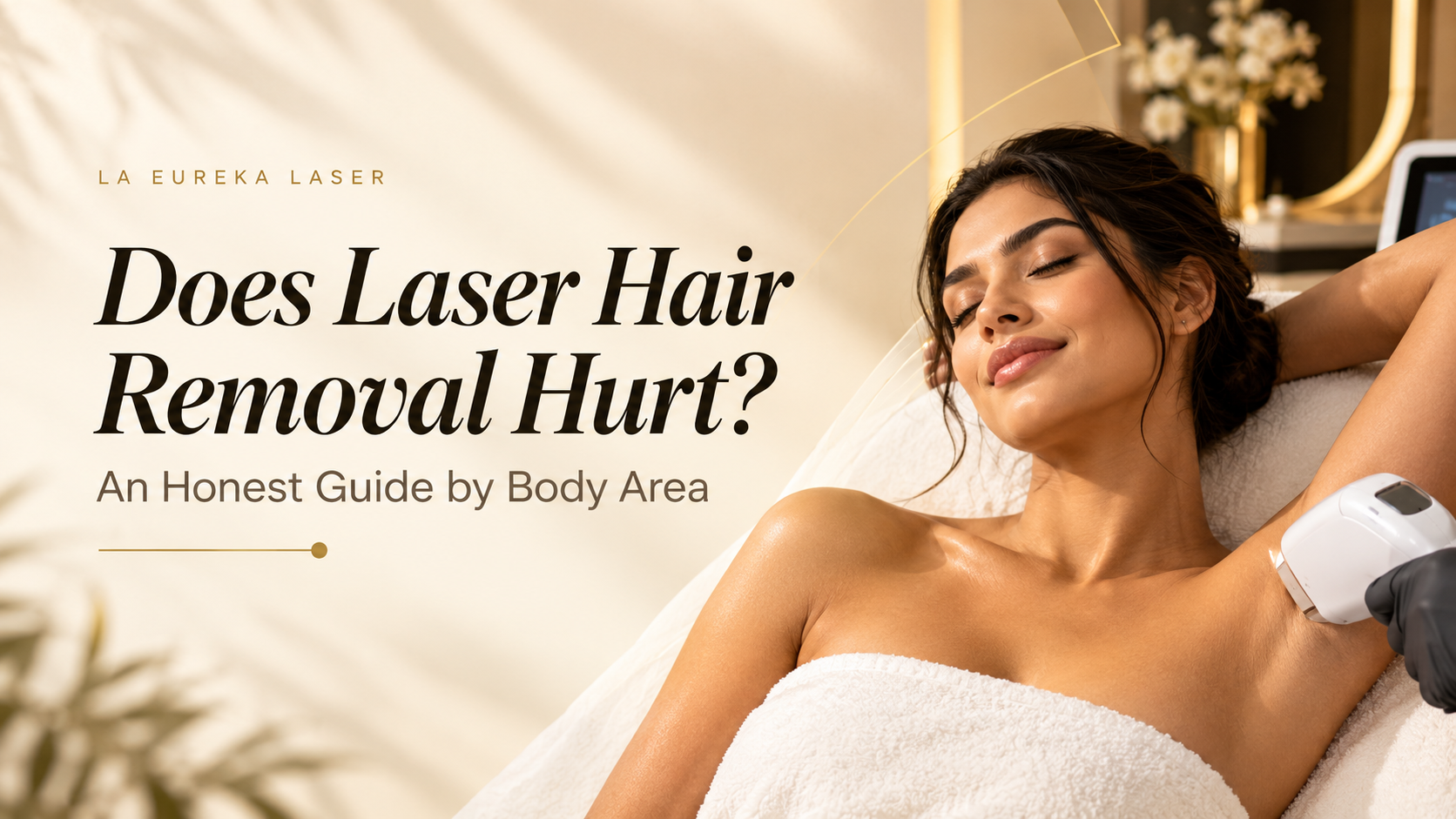
Most people describe laser hair removal as a quick, warm snap, a bit like a rubber band or a tiny pinprick of heat. It’s usually mild to moderate, it only lasts a split second per pulse, and it tends to feel easier than waxing. How much it hurts depends on the area, how thick your hair is, how sensitive your skin is, and the type of laser used. Smaller, thinner-skinned spots like the upper lip and bikini line feel sharper than legs or arms.
Nobody really asks “does laser hair removal work?” anymore. The question we get over the phone, nearly every day, is much simpler: “Will it hurt?”
It’s a fair thing to worry about. You’re about to let a device that uses heat work on your skin, and every person you know has a different story. One friend says it’s nothing, another says she nearly left halfway through. Both can be telling the truth, because pain depends on a lot more than just the laser.
So here’s the honest version. What it actually feels like, which areas are worse, what changes the experience, how to make it easier, and what’s normal afterward. No hype, and no pretending it feels like nothing.
What It Actually Feels Like
Laser hair removal works by sending light energy into the hair, where it turns into heat and damages the follicle. That heat is what you feel. People most often describe it as a brief warm pinprick or a quick snap, and many say it’s easier to tolerate than waxing or threading. WebMD uses almost the same description.
A few things worth knowing about the sensation itself:
- It’s brief. Each pulse lasts a fraction of a second. The discomfort doesn’t build and build like a wax strip pulling across a whole leg.
- It’s mostly warmth. A lot of people expect a sharp, burning pain and are surprised it’s closer to heat with a quick sting.
- You might smell something. A faint burnt-hair smell is normal. It’s just the hair being heated, not your skin.
- It fades fast. Once the handpiece moves on, the feeling goes with it.
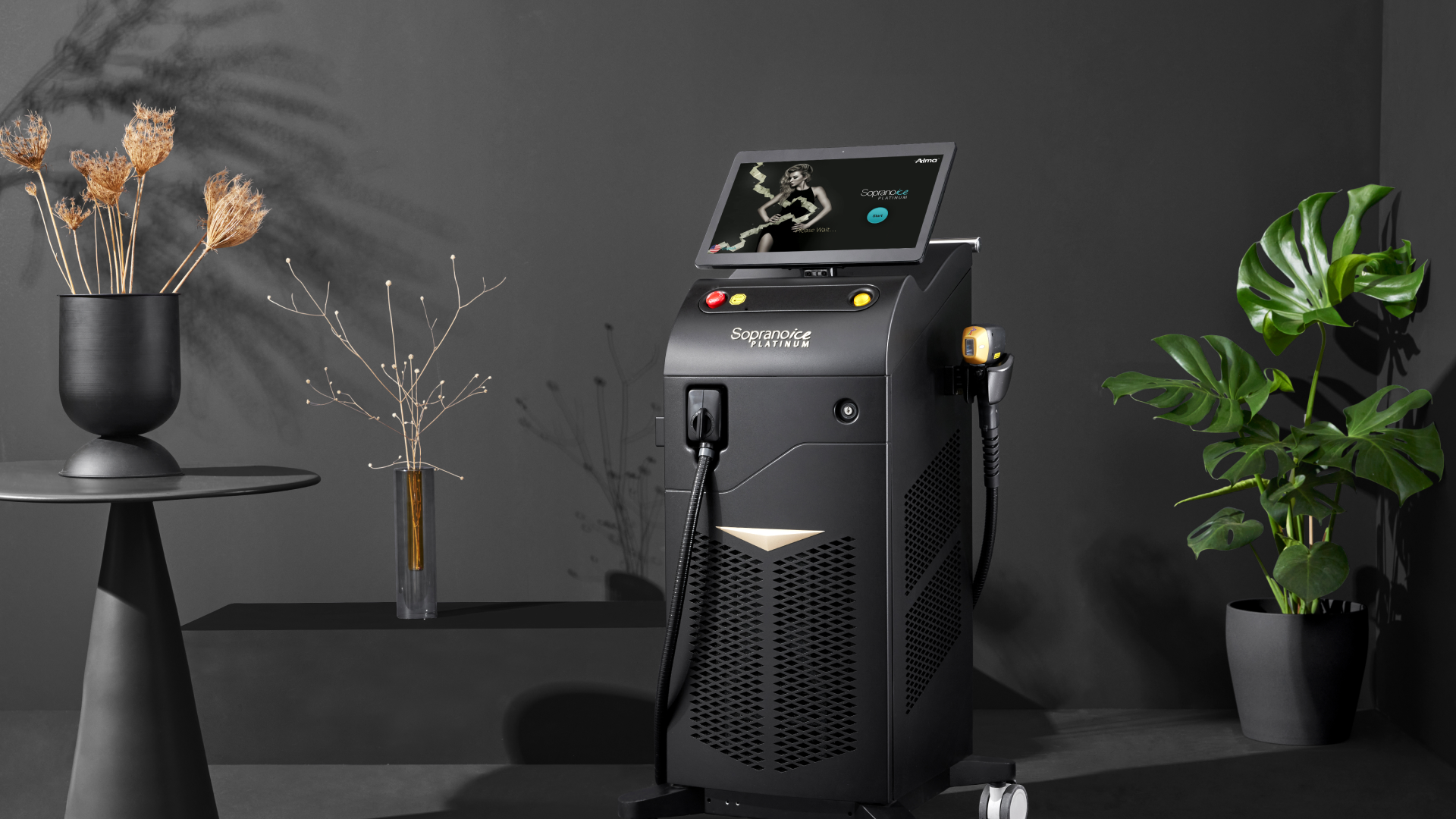
The device you’re treated with changes how the session feels, not just how well it works.
Why It Hurts at All
The laser is looking for pigment, a substance called melanin, which gives your hair its colour. The darker and thicker the hair, the more energy it absorbs, and the more heat builds up around the follicle. Your skin also has melanin, and your nerve endings sit right next to the follicles, so some of that heat gets noticed.
That explains a few things people often wonder about. It’s why dense, dark hair can feel hotter than fine, light hair. It’s also why a good clinic cools the skin during treatment, so the heat reaches the follicle without sitting on the surface of your skin.
Pain by Body Area: A General Guide
Everyone’s pain tolerance is different, so treat this as a rough map, not a promise. The scale is out of 5, based on what clients commonly report. It is not a clinical measurement.
| Area | Typical feel | Discomfort |
|---|---|---|
| Upper lip | Quick, sharp sting. Thin skin and lots of nerves. |
4 / 5 |
| Chin and jawline | Warm snaps, can feel stronger where hair is coarse. |
3 / 5 |
| Underarms | Hot and brisk. Dense hair, sensitive skin, but a small area. |
3.5 / 5 |
| Bikini and Brazilian | Among the more intense areas. Coarse hair and sensitive skin. |
4 / 5 |
| Legs (calves and thighs) | Mild to moderate. Shins and ankles feel sharper over bone. |
2 / 5 |
| Arms | Light warmth and mild snapping. |
1.5 / 5 |
| Stomach | Generally mild, though some people feel it more around the lower belly. |
2 / 5 |
The pattern is simple. Small areas with thin skin and dense hair feel sharper. Large, flat areas like legs and arms feel milder, and they also get treated quickly because the handpiece covers more ground per minute.
Good to know: the sharper areas are also the smallest ones. A bikini or upper lip session is usually over in minutes, which makes the discomfort easy to push through.
What Changes How Much It Hurts
Two people can sit in the same chair, get the same treatment, and describe it completely differently. These are the usual reasons:
| 01 |
The type of laser Older machines that fire one strong pulse in one spot tend to feel harsher. Newer devices that glide across the skin and cool it as they go are usually more comfortable. |
| 02 |
How thick and dark your hair is More pigment and more hairs mean more heat gathering at once. Fine hair is much gentler. |
| 03 |
Your skin on the day Recent sun, a tan, dry or irritated skin, or even where you are in your cycle can make skin more reactive. Some people notice more sensitivity around their period. |
| 04 |
Which session you’re on Many people find later sessions easier, because by then the hair is thinner and sparser, so there’s less pigment for the laser to heat. |
| 05 |
How well you were prepped Hair left too long on the surface can sting and singe. A clean, freshly shaved area makes treatment smoother. |
| 06 |
Your nerves, honestly Anxiety makes everything feel stronger. Knowing what’s coming, which is the whole point of this post, genuinely helps. |
Laser vs Waxing: Which Hurts More?
For most people, waxing wins the “ouch” contest. A wax strip pulls every hair out from the root across a whole area, and the pain lasts for the entire appointment. Laser is a series of short, separate pulses, and many clients find it easier to relax into.
There’s a cost side to that comparison too, and the numbers are more interesting than you’d think. We worked through them in our post on laser hair removal vs waxing: what you actually spend over 2 years.
How to Make Your Session More Comfortable
You can’t change your hair or your skin, but you can change how you show up. These help:
- Shave about 24 hours before. Close, clean and not freshly nicked. Don’t wax, pluck or thread for at least 4 weeks beforehand, because the laser needs the root in place.
- Stay out of the sun. Avoid tanning and strong sun for about two weeks before each session. Tanned skin is more reactive. That’s one reason we wrote about why fall is the best time to start.
- Come with clean, bare skin. No lotion, oil or deodorant on the area. Product left on the skin can make heat feel sharper.
- Eat and drink beforehand. Going in hungry or dehydrated makes most people feel jumpier.
- Breathe slowly and relax your shoulders. It sounds too simple to matter, but tensing up makes the sensation stronger.
- Speak up. If something feels too strong, tell your esthetician right away. Settings can be adjusted, and you should never have to tough it out in silence.
- Ask before using numbing cream. Some clinics allow it, some don’t, and applying it wrong can cause problems. Check with the clinic first instead of doing it on your own.
How We Keep It Comfortable at La Eureka Laser
Comfort is a big part of why we chose the Soprano ICE Platinum as the one laser we use. It glides across the skin in a continuous motion instead of firing one hard pulse in one spot, and it cools the skin while it works, so the heat builds gradually instead of hitting all at once. For a lot of first-timers, that’s the difference between “I can do this” and “never again.”
Technology is only half of it. We also start every new client with a free consultation and patch test, so you feel exactly what a pulse is like on a small spot before we treat anything bigger. If it’s more than you expected, we adjust before going any further. You can see our full approach on the About page.
After Your Session: What’s Normal
Most people go straight back to their day. A Canadian pricing guide sums up recovery as mild redness for a few hours up to a day, with treated hairs shedding over the following one to three weeks. That matches what we see.
| Usually normal | Call the clinic |
|---|---|
| Pink or red skin for a few hours | Blisters |
| Small raised bumps around hairs that settle in a day or so | Burning or pain that gets worse instead of better |
| A warm, sunburn-like feeling that fades | Dark patches or marks that don’t fade |
| Treated hairs falling out over 1 to 3 weeks | Any sign of infection, like pus, spreading redness or fever |
For the first day or so, skip hot showers, saunas, harsh scrubs and direct sun on the treated area, and use a gentle, fragrance-free moisturizer if it feels dry. If you have a deeper skin tone and want to understand exactly why the right wavelength matters for safety and comfort, our post on laser hair removal for brown and dark skin covers it in detail.
Frequently Asked Questions
Often, yes. The first session usually has the thickest, darkest hair, so there’s the most pigment to heat. As your course goes on and the hair thins out, a lot of people find sessions easier.
Not by itself, but the equipment matters a lot. More melanin in the skin means the wrong laser can heat the surface too much, which feels worse and raises the risk of marks. The right wavelength and good cooling make the difference.
Each pulse is over in a fraction of a second. After the session, any warmth or tenderness usually settles within a few hours to a day.
It’s one of the more intense areas because the hair is coarse and the skin is sensitive. It’s also a small area, so the session is short. Tell your esthetician how it feels as you go so they can adjust.
Many clinics allow it for most areas, but some people feel more sensitive then. If you’re nervous, pick a different week, and always ask your clinic about their policy for bikini and Brazilian appointments.
Done by a trained professional with the right device for your skin, it’s generally considered safe, and burns are uncommon. Risk goes up with tanned skin, the wrong equipment or poor prep, which is why the consultation and patch test matter.
Most people who finish a course say yes. A few weeks of short, manageable sessions can replace years of shaving, waxing and ingrown hairs. We lay out the numbers in our laser hair removal cost guide.
Ask what laser they use, whether it cools the skin during treatment, and whether you can try a patch test first. We cover the full list in what to ask before you book anywhere in Brampton.
Feel it for yourself before you commit.
Your free consultation includes a patch test, so you’ll know exactly what it feels like before booking a full course.
You can see everything we treat on the Services page and compare bundles on the Laser Combo Packages page. If you still have questions about comfort, your skin, or a medical condition, reach out through our Contact page before you book. This post is general information and isn’t medical advice, and individual experiences vary.
La Eureka Laser TeamLicensed estheticians based in Brampton, ON, trained through Marca College’s Medical Esthetics program.